
Science, Simplified
Research-backed insights on training, recovery, nutrition, and mindset—without the hype or the jargon. We break down the latest studies on female physiology, strength training, and performance so you can make informed decisions about what actually works for your body and your life.
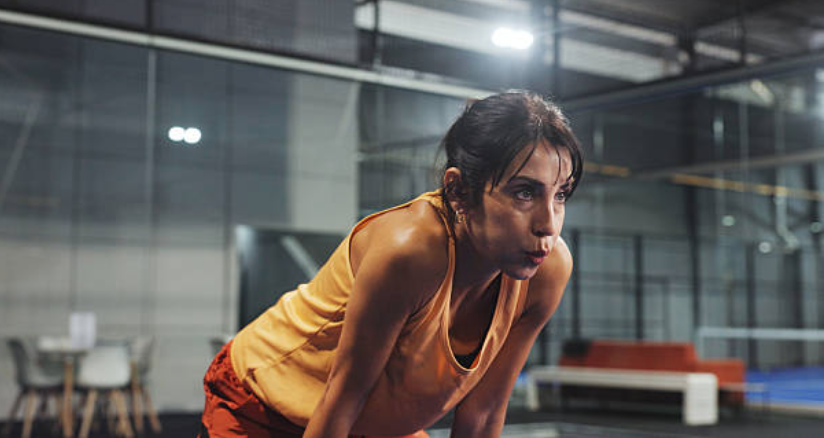
PCOS/PMOS, Exercise, and the Myths That Won't Die
Women with PCOS are constantly told to back off intensity — avoid cardio, skip the HIIT, protect your cortisol. But a 2023 systematic review of seven randomized controlled trials tells a very different story. Regular aerobic exercise improved menstrual regularity in over 70% of participants, boosted ovulation rates, reduced hyperandrogenism markers, and improved sexual function and psychological wellbeing. The evidence is clear: exercise isn't the enemy for women with PCOS. Fear-based fitness advice is.
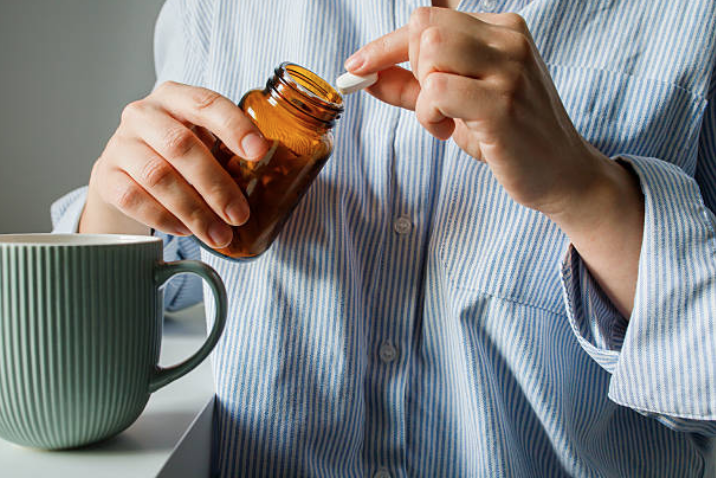
You're Training Hard and Taking Your Supplements. So Why Aren't You Seeing the Results You Expected?
We're told that eating more protein and taking the right supplements will supercharge our training results — but a brand new meta-analysis following 763 women across 14 studies tells a more complicated story. Muscle mass barely budged with supplementation, bone health results were inconclusive, and the one area that did show promise pointed squarely at creatine — not protein powder. Here's what the research actually means for how you train and eat.
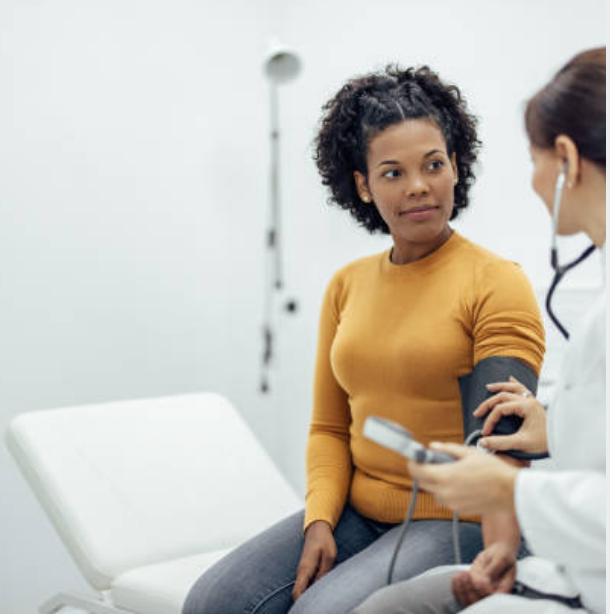
Medicine Built Its Knowledge Base on Men. Women Are Still Paying for It.
Women account for more than half the global population, yet female enrollment in randomized controlled trials sits at around 37% — and in many fields, the data isn't analyzed by sex even when women are included. A 2022 scoping review makes the consequences of that gap impossible to ignore: delayed diagnoses, misapplied treatments, and a clinical system still operating on assumptions built from male bodies.

What the Research Actually Says About Fueling Female Athletes
Female athletes make up nearly 50% of sports participants, yet only 3% of athletic performance studies have focused on women exclusively — meaning most nutrition protocols in use today were built on data from men. A 2021 review by Holtzman and Ackerman synthesizes what the evidence actually supports for fueling female athletes, starting with the one number that matters more than any cycle-phase strategy.
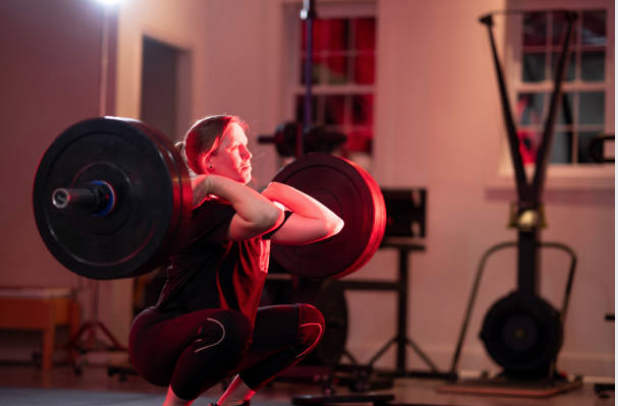
The Research Finally Asked Why Women Don't Lift — Here's What It Found
Women aged 35–54 are the cohort where strength training participation drops most sharply — and where the consequences for long-term health are most significant. A 2024 integrative review finally examined why, and the five factors it identified have direct implications for how practitioners design programs for this population.

Sleep Loss Hits Women Harder — The Neurobiology Explains Why
Most sleep deprivation research has been done in men. A 2023 review pulls together what we actually know about how sleep loss affects women differently — and the answer matters for how we train, program, and recover.
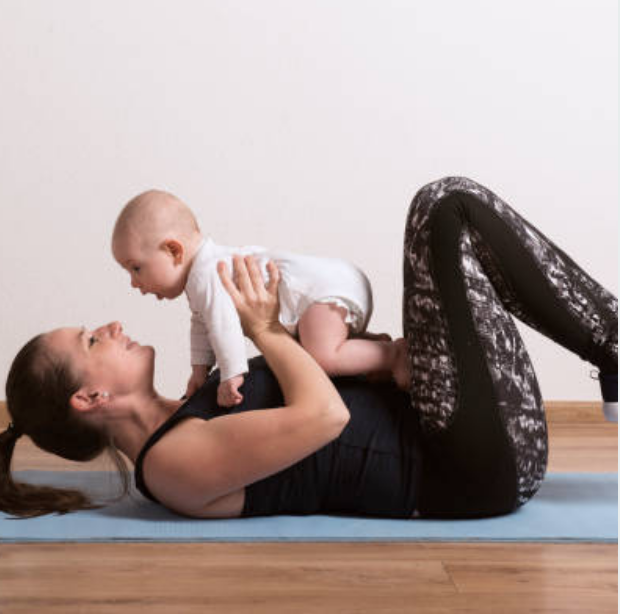
Postpartum Pelvic Floor Training Works. Here's What 65 Studies Actually Show.
A 2025 systematic review of 65 studies and over 21,000 postpartum women found that pelvic floor muscle training reduces urinary incontinence risk by 37% and prolapse risk by 56%—but the evidence is more nuanced than the standard advice suggests. Here's what the research actually supports, where it falls short, and what it means for programming.
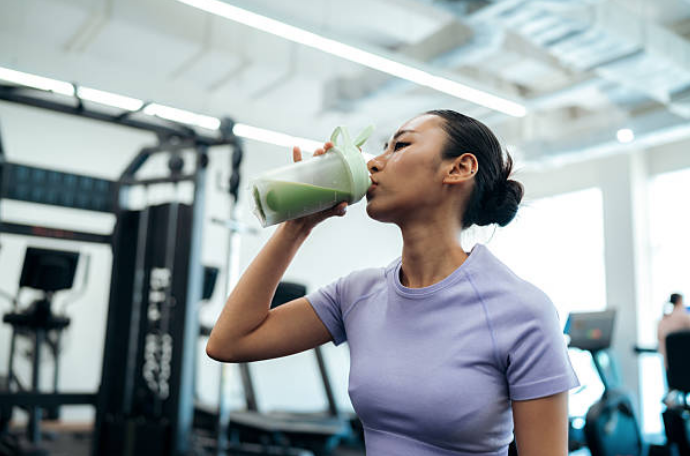
Adding Protein and Fiber Before Breakfast and Lunch Doubled Weight Loss
Twice-daily consumption of a protein and fiber supplement preload (17g protein, 6g fiber) consumed 30 minutes before breakfast and lunch resulted in 83% more weight loss than an isocaloric control (1g protein, 3g fiber) in a 12-week randomized trial of 206 overweight adults—despite both groups consuming identical calories from the shakes and following the same 500-calorie deficit.
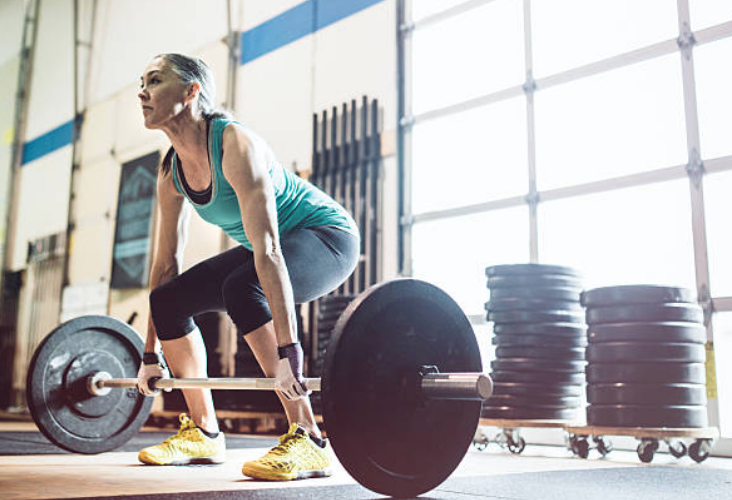
Resistance Training Rebuilt Aging Mitochondria in 10 Weeks
Ten weeks of twice-weekly resistance training increased all five electron transport chain complex proteins by 39-180% and increased mitochondrial fusion markers by 90-261% in older, untrained adults—demonstrating that RT reverses mitochondrial decline driven by inactivity, not inevitable aging.
Women Are the Largest Supplement Consumers—But Most Research Excludes Them
Women are the largest consumers of dietary supplements, yet most exercise and nutrition research excludes them—meaning recommendations are based on male physiology despite fundamental differences in muscle fiber type, metabolism, and hormonal profiles that change nutritional needs across the menstrual cycle and lifespan.

Adding Sleep to Cardiovascular Health Metrics Predicts Disease Risk—The Original Framework Didn't
The American Heart Association's cardiovascular health framework failed to predict who would develop heart disease in a study of 1,920 older adults—but adding sleep to the assessment succeeded, with even sleep duration alone improving risk prediction by 43%.
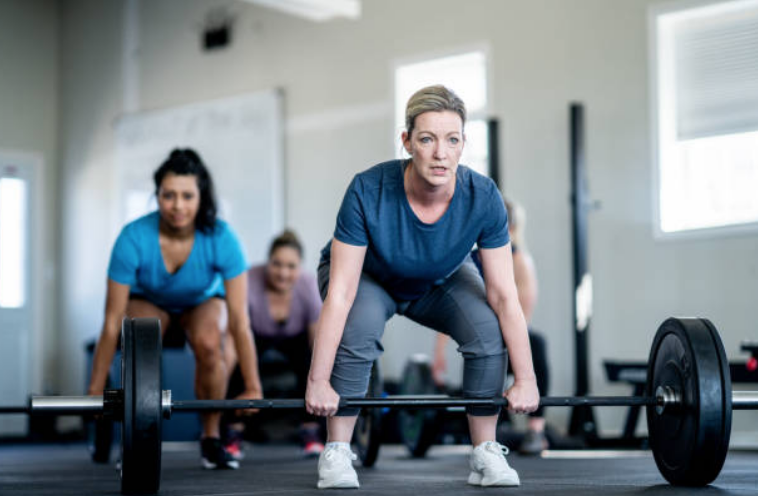
You're Training Hard. But Without This Protein Threshold, You're Fighting Your Own Progress.
The first systematic review of nutrition and strength training in postmenopausal women found that moderate caloric deficits enhance fat loss and protein intake above 0.8 g/kg bodyweight preserves lean mass—but supplement evidence was surprisingly weak across popular supplements.
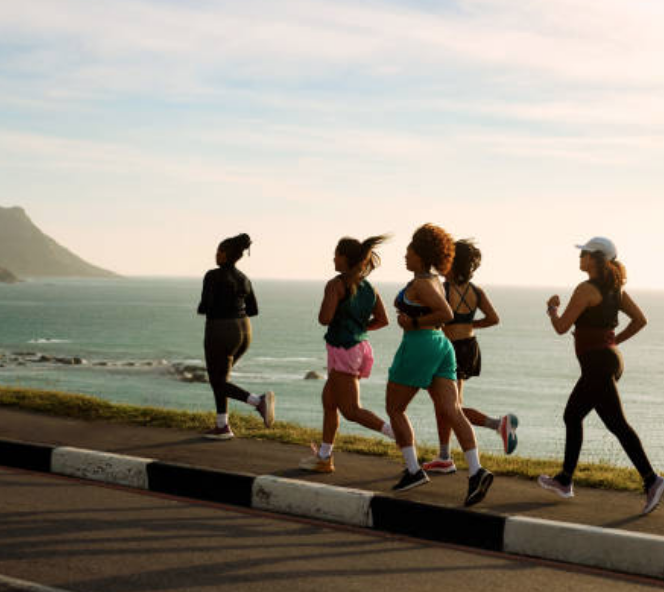
Physical Activity Variety Independently Predicts Longevity—Beyond Total Volume
New 30-year study of 111,467 adults reveals physical activity variety predicts 19% lower mortality—independent of total exercise volume. The key finding: engaging in multiple activity types matters beyond just accumulating more total exercise. Different activities produce distinct physiological effects, and diversifying your training maximizes benefits without requiring excessive volume in any single modality.
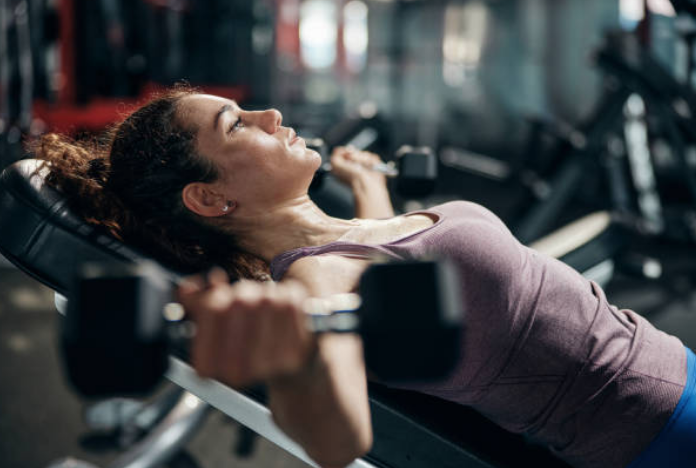
Strength Training Built Mental Skill—For Women Who Need Resistance Work Most
Strength training for women ages 40-50 built self-efficacy, habit automaticity, and exercise enjoyment without changing activity minutes—psychological shifts that may predict long-term adherence better than short-term increases. At menopause onset, the rate of fat gain doubles while lean mass declines, yet most interventions ignore the one training modality that counters both.
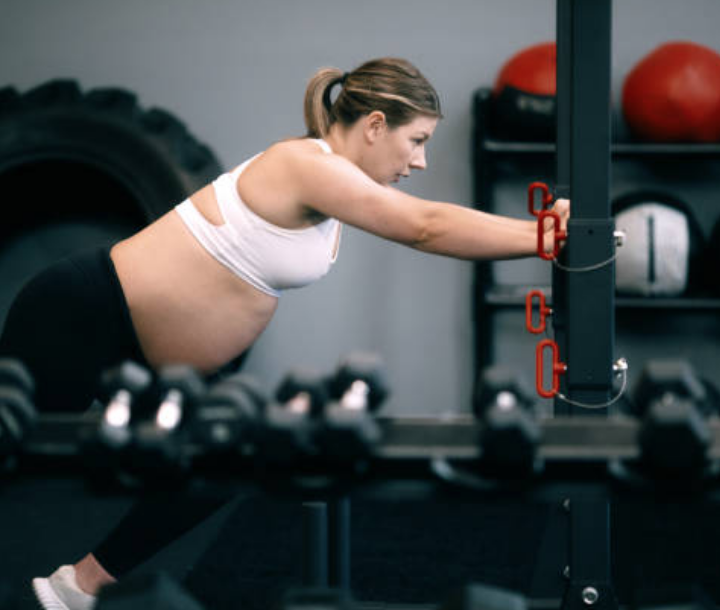
The First Real Guidelines for Moving After Birth: What 574 Studies Actually Say
The first year after birth leaves most women guessing about when to move, how much to sleep, and what actually helps with the exhaustion and mental fog. New guidelines based on 574 studies show that consistent sleep hygiene and 120 minutes of weekly movement reduce depression risk by 45%, cut postpartum fatigue in half, and give you better sleep quality despite the same interrupted nights.
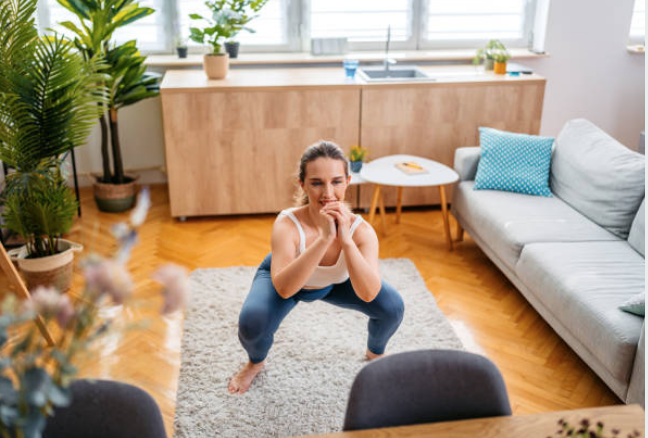
Your Brain During Prolonged Sitting: What 1-Minute Squat Breaks Actually Do
Three hours of sitting makes you measurably slower at problem-solving and decision-making while tripling your mental fatigue. One-minute squat breaks every 20 minutes keep your brain sharp all day—and may even improve your thinking beyond where you started.
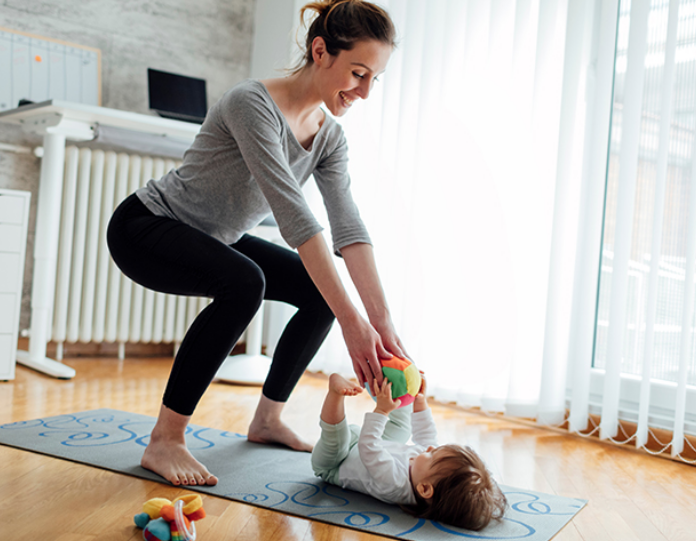
Heavy Lifting During Pregnancy Is Safe—Now We Have Evidence
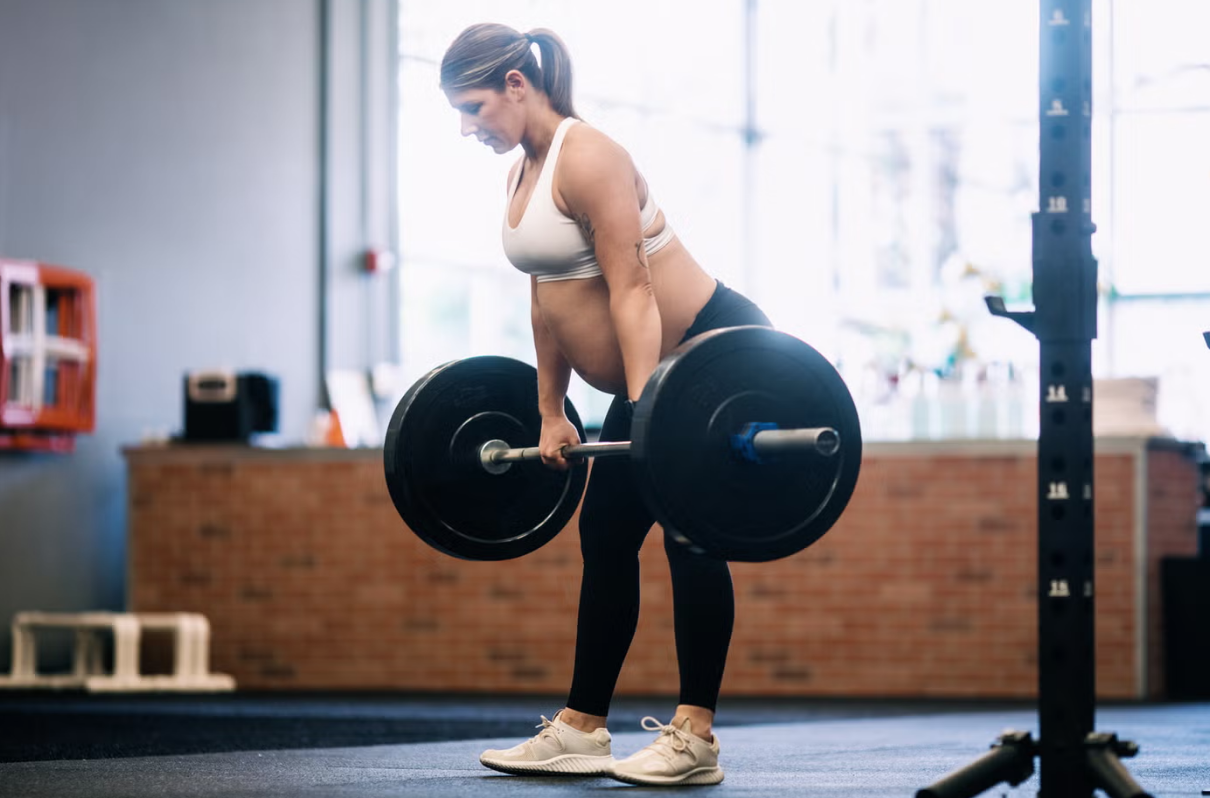
Current pregnancy guidelines discourage high-intensity resistance training due to lack of evidence, not evidence of harm. The first study directly assessing fetal well-being during high-intensity compound lifts found no fetal distress. For healthy, trained pregnant women, high-intensity resistance exercise—including supine positioning and Valsalva—is well tolerated by mother and fetus.
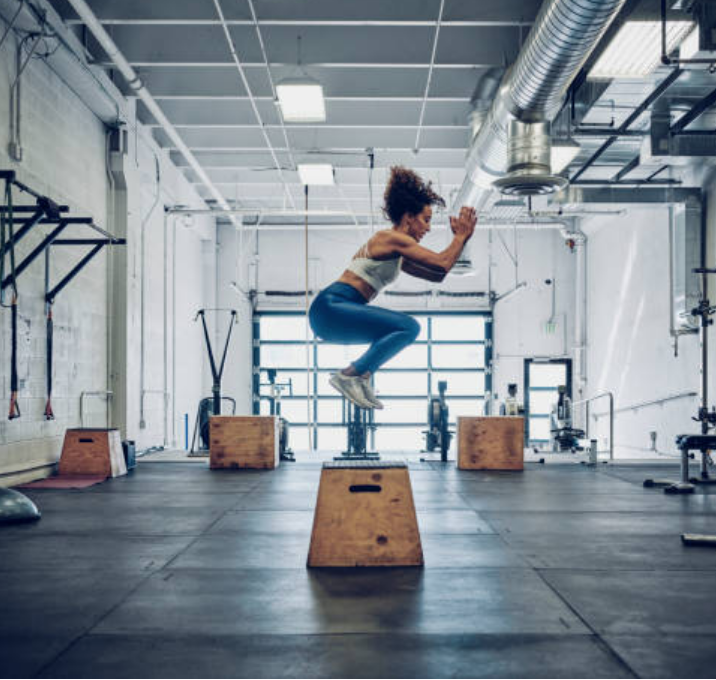
Why Your Bones Need Attention Right Now
Women lose up to 10% of their bone mass during menopause and the decade following, yet most osteoporosis trials exclude women within 5 years of menopause. The STOP-EM study at the University of Calgary is testing whether high-intensity resistance and impact training is feasible in 40 perimenopausal and early postmenopausal women (ages 45-60) over 9 months.
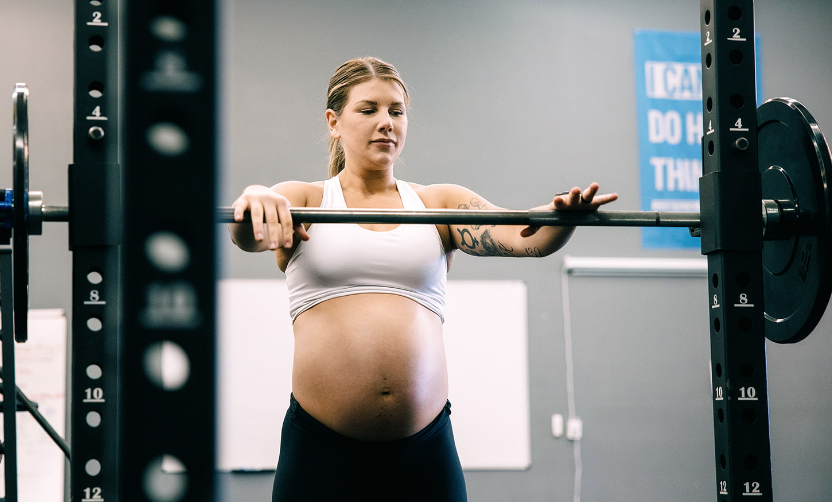
What Actually Stops Pregnant Women from Exercising
Only 52% of pregnant women meet activity recommendations. Analysis of 293 women found that income, education, marital status, and social support significantly influence health perception and physical activity during pregnancy.
Labor is an Athletic Event. Not Metaphorically. Physiologically.
Labor lasts 12-24 hours and requires anaerobic output, yet most pregnant women train like they're recovering from injury instead of preparing for performance. New research introduces a periodization model treating pregnancy as a 52-week training macrocycle—here's the framework for training through each trimester like the athletic event it actually is.